News

Keep up to date with TNEI’s latest news and opinion pieces

Embedded benefits set for reform

In the last week, Ofgem and National Grid have both published consultation documents that could potentially have enormous revenue implications for generators connected to distribution networks. These documents both concern “’embedded benefits’. National Grid’s consultation can be found on their website. Read Ofgem’s open letter here. “‘Embedded benefits’ typically describes the costs avoided when generators connect to the distribution networks rather than the transmission network. There is no single definition, but it typically relates to Transmission Network Use of System charges (TNUoS), Balancing Service Use of System Charge (BSUoS) and costs of losses. This includes costs avoided by the generators themselves, as well as costs which are reduced for local suppliers. The TNUoS demand charge is the biggest component of the embedded benefit. By entering into contracts with suppliers, embedded generators can help suppliers to reduce or avoid TNUoS demand charges by generating electricity during three “triad periods” each year.

button

Enhanced Frequency Response – what do the results mean for energy storage?

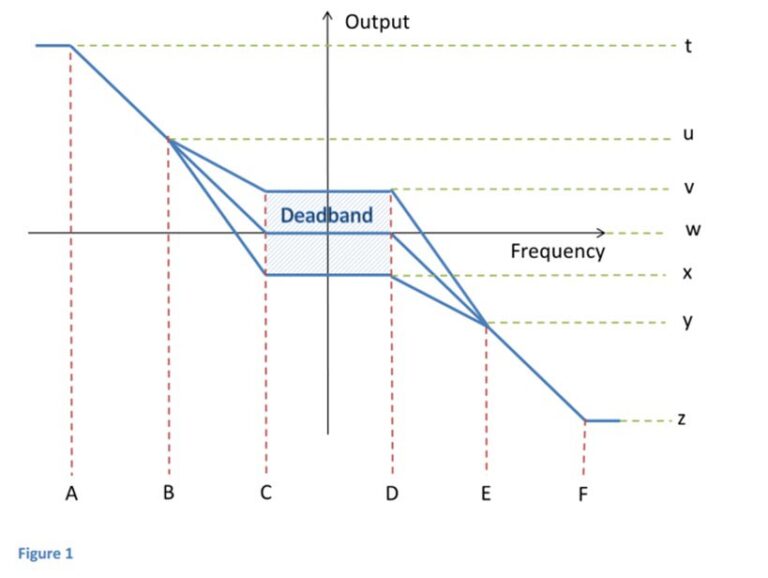
The results of the Enhanced Frequency Response (EFR) Tender were released on 26th August. This was the first procurement round for a new, faster service to manage the grid frequency (see our introductorypost).The results are big news, because energy storage providers have topped the list, and these contracts will lead to the first major commercial deployments for grid-scale battery storage in Great Britain. Who are the winners? National Grid procured a full 201MW, split between seven energy storage providers. This was the maximum volume that National Grid required in this round, and their procurement of this total proves that battery storage is now competitive with traditional methods of managing frequency. Other technologies, such as flexible generation and demand aggregation, also participated in the auction, but none were able to compete with energy storage. The winning tenders were: EDF Energy ““ 49MW Vattenfall Wind Power ““ 22MW Low Carbon ““ 10MW

button

To download the report, please enter your email address:

To view the videos please enter a valid email address: