The 2018 Budget has seen the introduction of new and extended Permitted Development (PD) Rights across the industry as the Government attempt to further reduce development red tape.
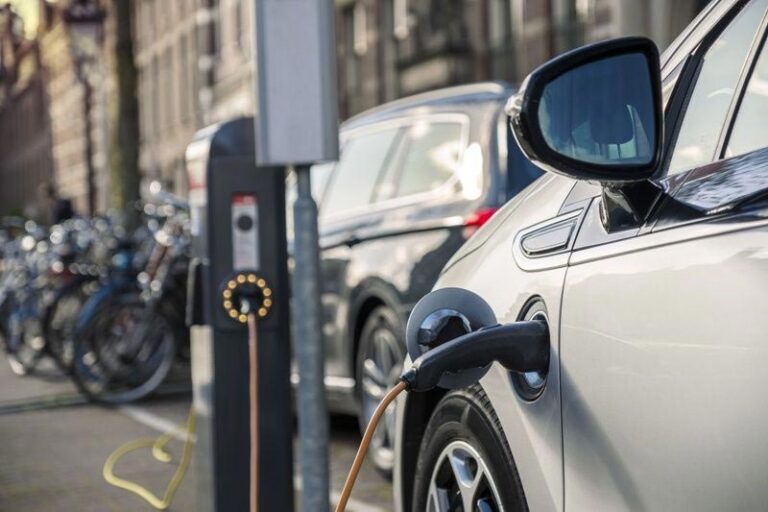
Electrical Charging Vehicle (ECV) infrastructure is one of the areas set to benefit, thanks toan increase in permitted development height from 1.6 metres to 2.3 metres. This demonstrates the Government’s continued support for low carbon transport, and specifically the evolution of the electric vehicle market. It will alsosupport the delivery of a range of benefits including rapid charging and market growth, as well as wider vehicle to grid benefits.
Connecting ECV infrastructure “ How TNEI support our clients
TNEI has been working closely with our clients to develop ECV infrastructure over the last few years. TNEI’s specialist Developer Support team has provided site-finding services to our clients, identifying sites across the UK.
We start by identifying substations with sufficient grid capacity for ECV infrastructure to connect into the grid network. Our consultants then conduct a rigorous exerciseto identify sites suitable for the development of ECV infrastructure, taking into account environmental impactand any land use planning restrictions.
At this stage, it is important to note that, although the PD rights have been extended, not all areas are exempt from requiring planning permission. Theserestrictionsincludecurtilages of historical assets or within 2 metres of a public highway.
Nonetheless, the focus on ECV in this year’s Budget marks a notable step forward. We are hopeful that this extension of PD rights will enable the further growth of this important sector to support the UK’s journeytowards a low carbon economy.
If you would like any further information about how TNEI can support developers or suppliers in the delivery of ECV infrastructure, please contact Jason McGray or Liz Russell.